
For individuals managing incontinence, maintaining an active lifestyle shouldn't mean sacrificing comfort or confidence. Whether you're heading to yoga class, running errands, or dressed up for a night out, modern incontinence care solutions offer discreet protection that moves seamlessly with your wardrobe—including under tights, leggings, and form-fitting clothing.
According to Global Market Insights, the global continence care market exceeded USD 18.5 billion in 2025, with demand for discreet, body-hugging protective wear growing at approximately 6.2% annually. This guide addresses the most common concerns from users seeking reliable protection under tight-fitting clothing.
Understanding Modern Incontinence Protective Garments
Today's absorbent protective underwear bears little resemblance to the bulky products of previous decades. Leading incontinence product manufacturers have invested heavily in slim-profile technology that delivers high-capacity protection without adding noticeable bulk.
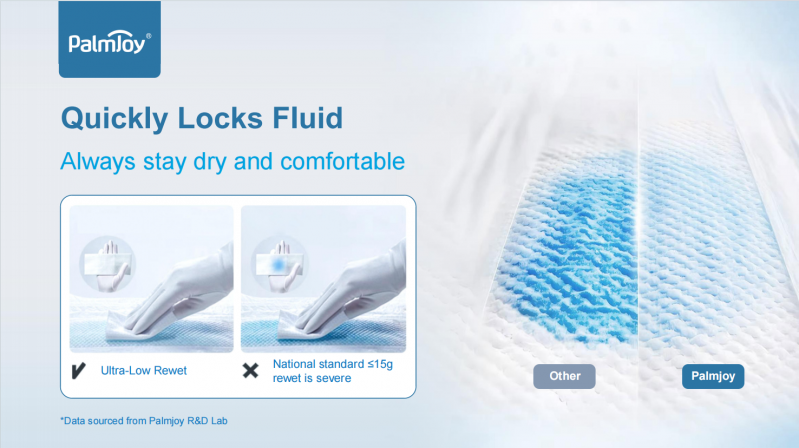
Key Design Features for Discreet Wear
When selecting leak-proof garments for use under tights or leggings, prioritize these characteristics:
- Slim-profile core construction — Multi-layer absorbent cores engineered to distribute fluid evenly while maintaining a low profile
- Soft, stretchable materials — Fabric blends that move with your body without bunching or shifting
- Quiet, rustle-free design — Advanced nonwoven fabrics that don't produce noise during movement
- Breathable construction — Moisture-wicking layers that keep skin dry while allowing air circulation
- Smooth outer surface — Cloth-like backsheets that glide easily under tight clothing
As industry testing protocols established by ISO 15621 demonstrate, quality products should maintain skin dryness even after multiple fluid inputs—critical for all-day wear under any clothing type.
How to Wear Protective Underwear Under Leggings
Step 1: Select the Right Size and Style
The foundation of discreet protection is proper fit. Measure your waist and hip circumference to find your correct size range. For pull-on style protective pants, look for:
- Stretchy waistbands that sit smoothly without rolling
- Leg openings with soft elastic that don't create visible lines
- A hip-to-waist ratio that matches your body geometry
Step 2: Choose Appropriate Absorbency
Not all occasions require maximum protection. Consider:
- Light activity days — Moderate absorbency for occasional dribbling
- Extended wear — Heavy-capacity options for longer periods between changes
- High-mobility activities — Pull-on pants with elastic waistbands for yoga, walking, or exercise
Step 3: Master the Application Technique
For pull-on garments worn under tight clothing:
- Step into the protective garment as you would regular underwear
- Pull the waistband up to hip level—not too high, which creates bulk at the waist
- Adjust leg openings to sit smoothly against your body
- Ensure the absorbent core is centered and not twisted
- Pull your outer clothing (tights or leggings) up over the protective garment
The goal is a smooth silhouette where the incontinence protection layer remains invisible under your regular clothing.
Product Types Suitable for Tight-Fitting Clothing
Pull-On Protective Pants
These elastic-waist protective garments function like conventional underwear and are ideal for active users. They offer:
- Natural appearance that doesn't signal "diaper" to observers
- Easy self-application for those with limited mobility
- Comfortable fit during physical activity
- Discreet profile under form-fitting clothing
Our pull-on protective pants collection features slim-profile designs specifically engineered for use under tight clothing.
Protective Briefs with Tabs
While less suited for tight outerwear, tab-style absorbent briefs offer maximum adjustability for users who need custom fitting or caregiver assistance.
Overnight Protection
Extended-wear products with enhanced capacity often have thicker cores—consider sizing up for overnight use or reserving these for situations where discretion isn't the primary concern.
The China Manufacturing Advantage
China has established itself as the world's leading hygiene product manufacturing hub, producing over one-third of global disposable continence care supplies. Here's why international brands increasingly source from Chinese facilities:
Production Scale and Capability
Leading adult diaper manufacturers in China operate facilities with:
- 100,000-level cleanrooms meeting international hygiene standards
- Automated production lines ensuring consistent quality
- In-house nonwoven fabric production for material control
- Advanced testing laboratories for product validation
According to Deep Market Insights, the China incontinence products market reached USD 1.77 billion in 2024 and continues expanding at approximately 7.3% annually—reflecting both domestic demand and export growth.
Certification Compliance
Reputable Chinese manufacturers maintain portfolios including:
- FDA registration for United States market access
- CE marking for European Economic Area compliance
- ISO 13485 quality management systems for medical devices
- ISO 15621 testing standards for single-use absorbent products
- Social compliance certifications (BSCI, SEDEX, SA8000)
OEM and ODM Partnership Models
Chinese hygiene product suppliers offer flexible engagement options:
- OEM (Original Equipment Manufacturing) — Production under your brand specifications
- ODM (Original Design Manufacturing) — Custom product development from concept to commercialization
- Private label programs — Established product formulations available for branded purchasing
Minimum order quantities typically range from 10,000 to 50,000 units per SKU, with production lead times of 30-45 days after sample approval.
Expert Tips for First-Time Buyers
Request Samples Before Committing
Always obtain physical samples to evaluate:
- Actual thickness and bulk under clothing
- Material comfort against skin
- Elastic performance after repeated use
- Absorbency performance in real conditions
Verify Manufacturing Credentials
Before finalizing any supplier relationship, verify:
- Third-party facility audits (SGS, Bureau Veritas, Intertek)
- Current certification validity directly with issuing bodies
- Export documentation to your target market
- Production capacity relative to your order volume
Start with Smaller Test Orders
Build confidence through phased engagement:
- Sample evaluation (1-3 units)
- Pilot production run (5,000-10,000 units)
- Full commercial order (50,000+ units)
This approach minimizes risk while allowing you to validate product performance and supplier reliability.
Addressing Common Concerns
"Will it be visible under my clothing?"
Modern slim-profile absorbent underwear is specifically engineered for discretion. Quality products with proper sizing should not create visible lines or bulges under standard leggings or tights. Look for products marketed as "slim fit" or "discreet" for best results under form-fitting clothing.
"Will it be comfortable for all-day wear?"
Comfort depends on both product quality and proper fit. Leading manufacturers utilize soft, breathable materials with pH-balanced inner linings. Most users report comfortable wear for 4-6 hours, with changes recommended based on individual needs and activity level.
"What if I need different absorbency levels?"
Most manufacturers offer graduated absorbency options—from light protection for occasional needs to maximum capacity for continuous wear. Gender-specific designs also exist, with absorption zones optimized for male and female anatomy respectively.
"How do I find a reliable supplier?"
Start with established incontinence care product manufacturers that have proven export track records to your target market. Request virtual facility tours, verify certifications independently, and insist on sample evaluation before commercial commitment.
Making an Informed Decision
Whether you're seeking protection for personal use or sourcing products for a retail brand, understanding the options available helps you make confident choices. Modern incontinence care solutions have evolved significantly—delivering effective protection without compromising comfort or discretion.
For those exploring private-label opportunities or OEM partnerships with Asian manufacturers, conducting thorough due diligence on supplier capabilities, certification portfolios, and quality assurance systems remains essential.
Browse our complete incontinence product range to see how quality manufacturers approach discreet protection design, or contact our export team to discuss sourcing requirements.
Frequently Asked Questions
Can you wear protective underwear under leggings without it being visible?
Yes, modern slim-profile protective pants are specifically designed for discreet wear under form-fitting clothing. Choose the correct size, opt for products marketed as "slim fit" or "discreet," and ensure the waistband sits smoothly without rolling. Pull-on style garments typically work better under tight clothing than tab-style briefs.
What absorbency level do I need for all-day wear under tights?
For regular daytime wear, moderate-to-heavy absorbency is typically sufficient for most users. Consider factors including your specific leakage volume, how often you can change, and your activity level. If unsure, start with a heavier absorbency option and adjust based on your experience. Many manufacturers offer sample packs with various absorbency levels.
How do I find a reliable China manufacturer for private-label incontinence products?
Research manufacturers with proven export experience to your target market, verify certifications directly with issuing bodies, request virtual or in-person facility tours, and obtain physical samples before commercial orders. Look for facilities with ISO certifications, cleanroom classifications, and third-party quality audits. Starting with smaller pilot orders helps validate supplier reliability.
What's the minimum order quantity for OEM production from China?
Minimum order quantities vary by manufacturer and product complexity. Standard OEM orders typically start at 10,000 to 50,000 units per SKU. Some flexible manufacturers offer lower MOQs for basic products, while custom formulations or specialized materials may require 50,000+ units. Payment terms often include 30% deposit with 70% balance before shipment.
What's the production lead time for incontinence products from China?
Standard production lead times range from 30 to 45 days after sample approval for first orders. Returning orders with unchanged specifications typically process in 25-30 days. Custom formulations, specialized packaging, or materials not in stock may extend lead times to 60-90 days. Sea freight to North America adds approximately 25-35 days; air freight reduces transit to 7-10 days at higher cost.