
From sourcing your first private label order to scaling production — this is the complete playbook for incontinence brands, distributors, and healthcare procurement buyers.
Why Incontinence Products Are the Most Strategic Category in Hygiene Manufacturing
The global continence care market continues expanding at an remarkable pace. According to Grand View Research, the market was valued at USD 19.68 billion in 2024 and is projected to reach USD 30.34 billion by 2030, growing at a CAGR of 7.5%. Another report from Global Market Insights shows the adult segment alone reaching USD 16.4 billion in 2024, with projections to USD 27.4 billion by 2034.
Behind the numbers is a structural shift: an aging global population, shrinking caregiver ratios, and cultural destigmatization converting once-taboo conversations into everyday purchasing decisions.
For brands and buyers looking to enter or expand in this space, the single biggest strategic question is not about marketing — it's about where and how to manufacture.
Whether you're launching a private label, sourcing for a retail chain, or engineering a next-generation continence care product, here's everything you need to know about OEM and ODM manufacturing for absorbent briefs, pull-on protective underwear, nursing pads, and related care products.
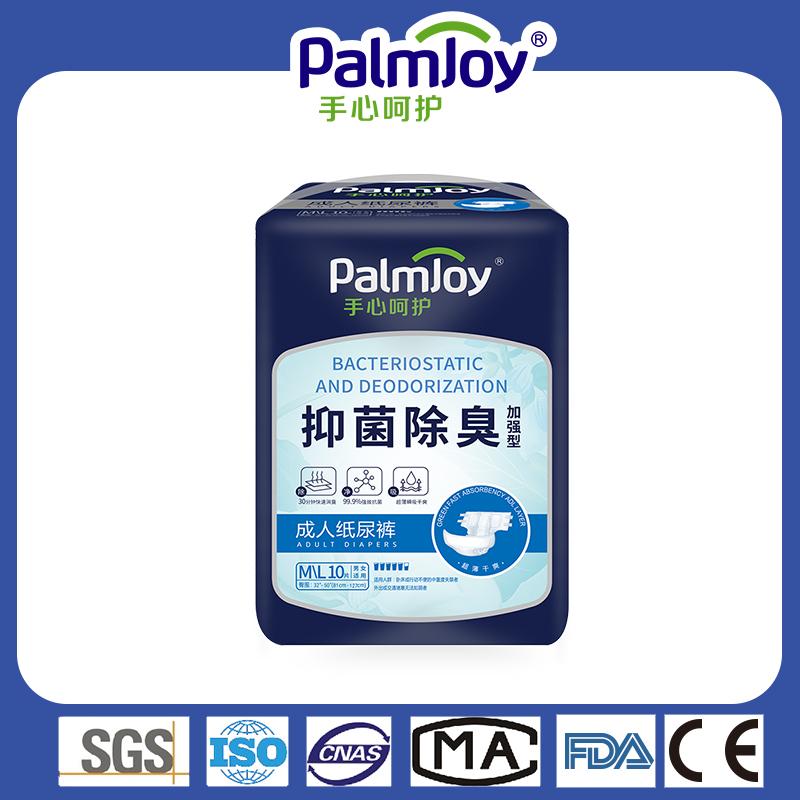
OEM vs ODM — What's Actually the Difference?
These terms get used interchangeably, but the difference matters enormously for your product, brand, and margins.
OEM (Original Equipment Manufacturer)
You bring your own design, specifications, and packaging. The manufacturer executes production according to your blueprint. The manufacturer does not own the design — you do.
Best for:
- Established brands with in-house R&D and product design teams
- Buyers who already have validated products and need trusted production capacity
- Healthcare brands requiring strict formula control and regulatory compliance
Key characteristics:
- You define: materials, absorbency profiles, dimensions, branding, certifications
- Manufacturer's value: production scale, quality consistency, lead time reliability
- IP risk: fully on the brand's side
ODM (Original Design Manufacturer)
The manufacturer develops and owns the product design. You purchase finished products under your private label — no design investment required on your end.
Best for:
- Emerging brands, e-commerce startups, regional distributors entering the market
- Buyers with limited R&D capacity who want proven product formulas
- Private label buyers who want fast time-to-shelf
Key characteristics:
- Manufacturer defines: product structure, material ratios, feature set
- You control: branding, packaging, target market positioning, price tier
- IP risk: shared — manufacturer may license the same design to multiple buyers (unless you negotiate exclusivity)
The Hybrid Model (Which Most Successful Brands Use)
In practice, the best brand-manufacturer relationships use a hybrid approach: start with ODM to test products and validate market demand, then upgrade to OEM for high-volume lines where you need formula exclusivity and competitive differentiation.
For adult care specifically, we recommend:
- Launch phase: ODM (faster, lower risk, proven formulations)
- Scale phase: OEM with ODM base (you own the formula for top sellers, test new SKUs via ODM)
- Dominance phase: Full OEM + in-house design team
What Can Be Customized in Incontinence Products?
This is where many first-time buyers get lost. Here's the complete landscape of what's possible:
Product Design Customization
| Parameter | Standard Range | Custom Options |
|---|---|---|
| Absorbency | Light / Moderate / Heavy / Overnight | G/g ratios from 6g to 15g+ SAP loading |
| Fit System | Standard elastic waist | Ultra-soft waistband, breathing panels, anti-leak leg cuffs |
| Topsheet | Standard non-woven | Cloth-like surface, aloe-infused, fragrance-free, hypoallergenic |
| Backsheet | PE film | Breathable cloth-like backsheet, printed backsheet |
| Core Structure | Fluff pulp + SAP | Fluff-free (SAP-only) cores for thinner profile |
| Size Range | S–XL (standard) | XXS to 6XL+, gender-specific cuts |
| Fastening | Adhesive tapes | Refastenable tapes, hook-and-loop (velcro), pull-on style |
Packaging Customization
- Bag design: Custom printing, eco-friendly materials, recyclable packaging
- Quantity per bag: Flexible pack sizes (10–100 pieces per bag)
- Master carton: Branding, barcodes, multilingual labeling
- Retail-ready packaging: Hanging bags, shelf-ready boxes, display units
- Moisture barrier: Enhanced humidity protection for export
Certifications (Market-Specific)
| Market | Required Certification | Notes |
|---|---|---|
| USA | FDA 510(k) / FDA Registration | Class I medical device for certain adult care items |
| European Union | CE Marking / MDR 2017/745 | Quality management system required |
| UK | UKCA Marking | Post-Brexit requirement |
| Japan | Pharmaceutical and Medical Device Act (PMD Act) | Strict labeling requirements |
| Australia | TGA Registration | Therapeutic Goods Administration |
| Southeast Asia | ASEAN Medical Device Directive | Country-specific variations |
Minimum Order Quantity (MOQ) Guide
| Product Category | Typical MOQ | Notes |
|---|---|---|
| Adult diapers / pull-on | 10,000 pieces per SKU | Lower MOQ possible for startup orders |
| Nursing pads / liners | 50,000+ pieces | Higher volumes reduce per-unit cost |
| Wet wipes | 88,000+ pieces | Standard for automated production |
| Mixed container | Negotiable | Many manufacturers offer mixed SKU loads |
| Sample order | 500–2,000 pieces | Typically at premium per-unit price |
MOQs vary by manufacturer and product complexity. Always negotiate — most manufacturers are flexible on first orders to build relationships.
The Hidden Costs in OEM/ODM That Most Buyers Miss
Before you sign a contract, understand these cost variables:
1. Mold / Tooling Costs
Custom product shapes require custom molds. For adult diapers, expect:
- Basic mold: $5,000–$15,000 one-time
- Premium multi-cavity mold: $30,000–$80,000
- Mold ownership: Negotiate whether the mold is yours or the manufacturer's (OEM should be yours)
2. Sample and Prototype Fees
Most manufacturers charge $200–$1,500 per sample run. Budget for 2–3 rounds of iteration before production approval. This is not where you want to cut corners.
3. Certification and Testing
- FDA 510(k) submission: $10,000–$30,000+
- CE marking / MDR documentation: $15,000–$50,000
- Market-specific testing (ISO, ASTM, etc.): $3,000–$15,000 per market
4. Shipping and Logistics
- Sea freight (40HQ container): $2,000–$8,000 depending on destination
- Air freight: 5–10x sea cost (for samples or urgent orders)
- Import duties: Vary by country (EU: ~6–12% for adult hygiene; USA: duty varies by HTS code)
5. Payment Terms
- Standard: 30% deposit, 70% before shipment
- First-time buyers: expect 50/50 or even 100% prepayment
- Established relationships: T/T 30 days or L/C options
How to Vet a China Incontinence Product Manufacturer
China dominates adult care manufacturing for a reason — the combination of raw material supply chains, production scale, and skilled workforce is unmatched. But not all factories are equal. Here's your vetting checklist:
Factory Verification Checklist
Production Capability:
- How many production lines do they operate? (68 lines = high capacity, low per-unit overhead)
- What is their monthly output capacity? (100+ million pieces per month = serious manufacturer)
- Do they have automated or semi-automated lines? (Automation = consistency)
- What product categories can they handle? (Briefs, pull-ons, pads, specialty products)
- Can they handle both small orders and container-scale production?
Quality Control:
- ISO 13485 certification (medical device quality management) — essential for adult care exports
- ISO 9001 certification (general quality management)
- Do they have an in-house QC team or is inspection outsourced?
- What is their defect rate tolerance? (Target: < 0.5%)
- Do they conduct pre-production, in-line, and pre-shipment inspections?
Cleanroom and Hygiene Standards:
- Do they operate a 100,000-level purification workshop? (Standard for hygiene products)
- What are their air quality controls in the production environment?
- Do they have hand-washing and sanitization protocols for workers?
Certifications and Compliance:
- FDA registration (for US market)
- CE marking capability (for EU market)
- Any other market-specific certifications they support
- Can they provide test reports from third-party labs (SGS, Intertek, Bureau Veritas)?
Business Track Record:
- How long have they been in business? (32+ years = established, not a fly-by-night)
- Which countries do they export to? (88+ countries = proven global compliance)
- Can they provide references from existing brand partners?
- Do they have their own brand or are they purely contract manufacturing?
- Do they have a verifiable production history (not just a trading company)?
Red Flags to Watch Out For
- ❌ No factory visit available — always request a video call or virtual factory tour
- ❌ Prices significantly below market rate — quality and consistency will suffer
- ❌ No third-party test reports — or reports that don't match the actual product
- ❌ No certifications for your target market — FDA/CE are non-negotiable for exports
- ❌ Cash-only payment terms — legitimate manufacturers accept T/T and L/C
- ❌ Cannot produce samples before production — always, always order samples first
The Incontinence Product Manufacturing Process — Step by Step
Understanding the production process helps you ask better questions and spot quality issues earlier.
Step 1: Product Specification & Design (Week 1–3)
- Define product type (brief, pull-on, pad)
- Set absorbency targets and material specifications
- Finalize packaging and branding requirements
- Agree on quality standards and acceptance criteria
Step 2: Sample Development (Week 3–6)
- Manufacturer produces prototypes
- Client reviews and requests modifications
- 2–3 rounds of sample refinement (this is critical)
- Final sample approval with signed confirmation
Step 3: Certification and Compliance (Week 4–10, parallel)
- Product testing in certified labs
- Documentation compilation for target market approval
- Regulatory submission (FDA, CE, etc.)
- Certificate issuance before production starts
Step 4: Production (Week 6–10, depending on order size)
- Raw material procurement (SAP, fluff pulp, non-woven, elastic)
- Production scheduling (lead time: 15–30 days typical)
- Inline quality inspection
- Pre-shipment final inspection
Step 5: Packaging and Labeling (Week 8–12)
- Private label printing
- Bagging and cartoning
- Multilingual labeling per market requirements
- Barcode and serial number verification
Step 6: Shipping and Delivery
- Container loading and seal verification
- Bill of lading and documentation preparation
- Freight forwarding (sea or air)
- Customs clearance support
Total Lead Time: 8–16 weeks from specification to delivery (longer if market certification is required)
How to Get the Best Price Without Sacrificing Quality
Price negotiation with manufacturers is an art. Here's the leverage that actually works:
1. Volume Commitment (Most Powerful)
- Committing to 3–5 repeat orders per year unlocks 10–20% reduction
- Container-level orders (40HQ = ~200,000–300,000 pieces) get the best rates
- Seasonal ordering (pre-stock before peak season) improves pricing
2. Raw Material Sourcing
- Some manufacturers allow you to source your own raw materials (SAP, non-woven) — this can reduce cost if you have better supplier contacts
- For standard products, letting the manufacturer source materials is more efficient
3. Off-Peak Scheduling
- Q1 and Q3 are typically lower-demand seasons for adult care manufacturing
- Booking production slots during off-peak periods can cut lead times and costs by 15–25%
4. Simplify SKU Variety
- Each unique SKU requires a separate production run (setup cost)
- Consolidating to fewer SKUs with higher volumes per SKU = lower unit price
- Example: 3 SKUs × 50,000 = better price than 6 SKUs × 25,000
5. Payment Terms Leverage
- Offering T/T 30 days post-delivery (not prepayment) signals a serious long-term buyer
- This is earned after establishing trust — don't push on first order
Why Partner with an Established China Incontinence Product Manufacturer
When evaluating a long-term manufacturing partner for continence care products, the details matter. Here's what to look for:
Production Infrastructure
- 32+ years of experience in hygiene product manufacturing
- 68 automated production lines with a monthly capacity exceeding 100 million pieces
- Large-scale production base — fully owned, not contracted
- Double 100,000-level purification workshop — healthcare-grade hygiene standards
Product Range Capabilities
Look for manufacturers offering comprehensive adult incontinence product solutions:
- Adult Diapers: Tab-style briefs (tape diapers) in all absorbency levels
- Pull-On Underwear: Pull-up style for active and mobile users — view pull-on options
- Nursing Pads: Breast pads, bed pads, underpad sheets
- Incontinence Pads: Insert pads for light-to-moderate protection
- Wet Wipes: Personal care, intimate care, antibacterial
- Medical Care: Surgical masks, KN95, sterile wet wipes
Quality & Compliance Credentials
- ISO 13485 certified (medical device quality management)
- ISO 9001 certified (general quality management)
- CE marking capability for EU market
- FDA registration support for US market
- 88+ countries with registered trademarks — proven export compliance
How to Start Your Order — The Practical Process
Step 1: Define Your Requirements
- Product type, absorbency level, size range
- Target market and required certifications
- Packaging and branding specifications
- Order quantity and delivery timeline
Step 2: Request Samples
- Most manufacturers provide sample orders at 500–2,000 pieces
- Always test physical products before committing to production
- Test for: fit, absorbency, skin compatibility, packaging durability
Step 3: Negotiate Terms
- MOQ and pricing per unit
- Payment terms (deposit balance structure)
- Lead time and shipping terms (FOB, CIF, DDP)
- Quality specifications and defect tolerance
- Warranty and return policy for production errors
Step 4: Sign Agreement
- Commercial contract with clear product specifications
- Quality acceptance criteria (defect rate threshold)
- Certification requirements (which party handles market compliance)
- Confidentiality / NDA (especially important for OEM arrangements)
Step 5: Production and Quality Control
- Request pre-production samples with your branding
- Conduct inline inspections if possible (or hire a third-party inspection service)
- Pre-shipment inspection with detailed defect report
- Document everything for future reference
Frequently Asked Questions
What's the difference between OEM and ODM manufacturing for incontinence products?
OEM (Original Equipment Manufacturing) means you provide the product design and specifications, and the manufacturer produces according to your blueprint. ODM (Original Design Manufacturing) means the manufacturer develops and owns the design, and you purchase finished products under your private label. Most brands start with ODM to test market demand, then transition to OEM for high-volume lines where they need formula exclusivity.
What's the typical MOQ for adult diapers from China manufacturers?
Standard MOQ for adult diapers and pull-on underwear ranges from 10,000 to 50,000 pieces per SKU. Nursing pads typically require 50,000+ pieces, while wet wipes often need 88,000+ pieces due to automated production requirements. Many manufacturers offer lower MOQs for first orders to build relationships — always negotiate.
How long does it take to produce incontinence products from China?
Standard production lead time is 15–30 days after sample approval. Including specification, sample development, and certification, total timeline is typically 8–16 weeks from project kickoff to delivery. Custom formulations, specialized packaging, or materials not in stock may extend this to 12–20 weeks.
What certifications do I need to export adult care products?
Requirements vary by market: FDA 510(k) or FDA Registration for USA, CE Marking for EU, UKCA for UK, PMD Act for Japan, TGA for Australia. All reputable manufacturers should support ISO 13485 (medical device quality management) and ISO 9001. Budget $10,000–$50,000+ for market-specific certification and testing costs.
How do I verify a China manufacturer's quality standards?
Request virtual factory tours, verify certifications directly with issuing bodies, ask for third-party audit reports (SGS, Bureau Veritas, Intertek), and always order physical samples before commercial commitment. Check their cleanroom classification (100,000-level standard), defect rate tolerance (target < 0.5%), and export track record to your target market.
What's included in OEM manufacturing costs beyond the unit price?
Beyond per-unit costs, budget for: mold/tooling ($5,000–$80,000), sample development ($200–$1,500 per round), market certification ($10,000–$50,000+), shipping (sea freight $2,000–$8,000 per 40HQ), and import duties (varies by country, 6–12% in EU). Payment terms typically require 30% deposit with 70% balance before shipment.
Ready to Source Quality Incontinence Products?
Whether you're launching a new private label brand or expanding your existing product line, choosing the right manufacturing partner is the most important decision you'll make.
Explore our incontinence product range to see what's possible, or browse our pull-on protective underwear collection for active user solutions.
Contact New Yifa Group to discuss your OEM/ODM requirements:
- Email: sales@newyifagroup.com
- Phone/whatapp: +86-181-5938-0105
- Website: fjnewyifa.com
This guide is intended for brand managers, procurement directors, distributors, and entrepreneurs in the incontinence and adult care product space. All specifications, pricing structures, and manufacturing timelines referenced are general industry benchmarks and may vary by manufacturer and specific product requirements.
References
- Grand View Research: Continence Care Market Size & Trends (2024)
- Global Market Insights: Adult Incontinence Products Market (2024)
- MarketsandMarkets: Incontinence Care Products Market 2025-2030
- ISO 13485: Medical Devices Quality Management
- ISO 9001: Quality Management Systems
- FDA: Medical Device Registration and Listing