
How Much Urine Can Adult Diapers Actually Hold?
The short answer: Yes, modern adult absorbent products are designed to handle full bladder voids.
Today's incontinence products feature advanced multi-layer technology that can retain substantial liquid volumes. Here's what the research shows:
Absorption Capacity by Product Type
| Product Type | Average Capacity | Best For |
|---|---|---|
| Light incontinence pads | 8-12 oz (237-355 ml) | Dribbling, stress incontinence |
| Moderate protective underwear | 16-24 oz (473-710 ml) | Moderate leakage |
| Heavy-duty adult diapers | 32-64 oz (946-1,893 ml) | Full voids, overnight use |
| Overnight maximum protection | 80+ oz (2,366+ ml) | Complete incontinence, sleep |
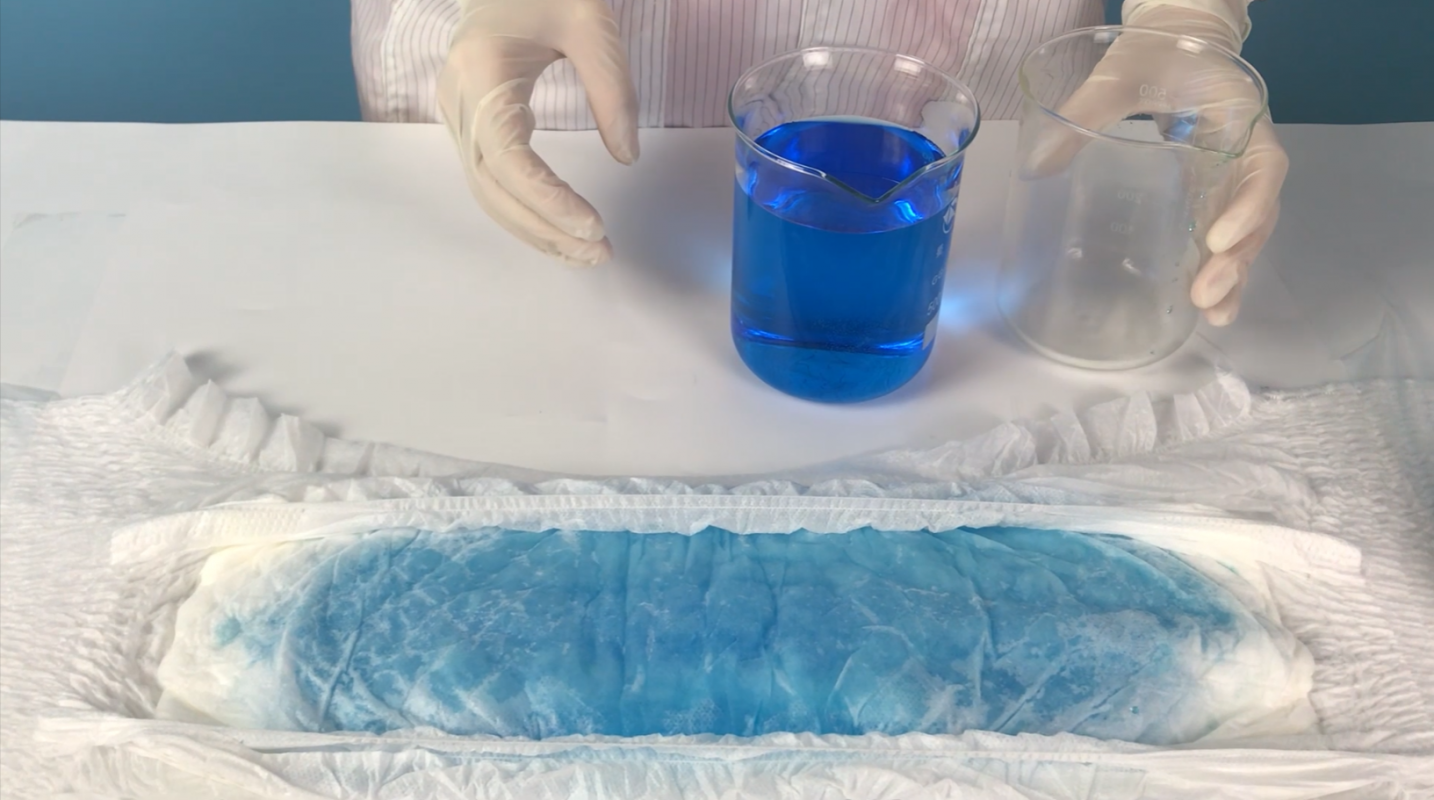
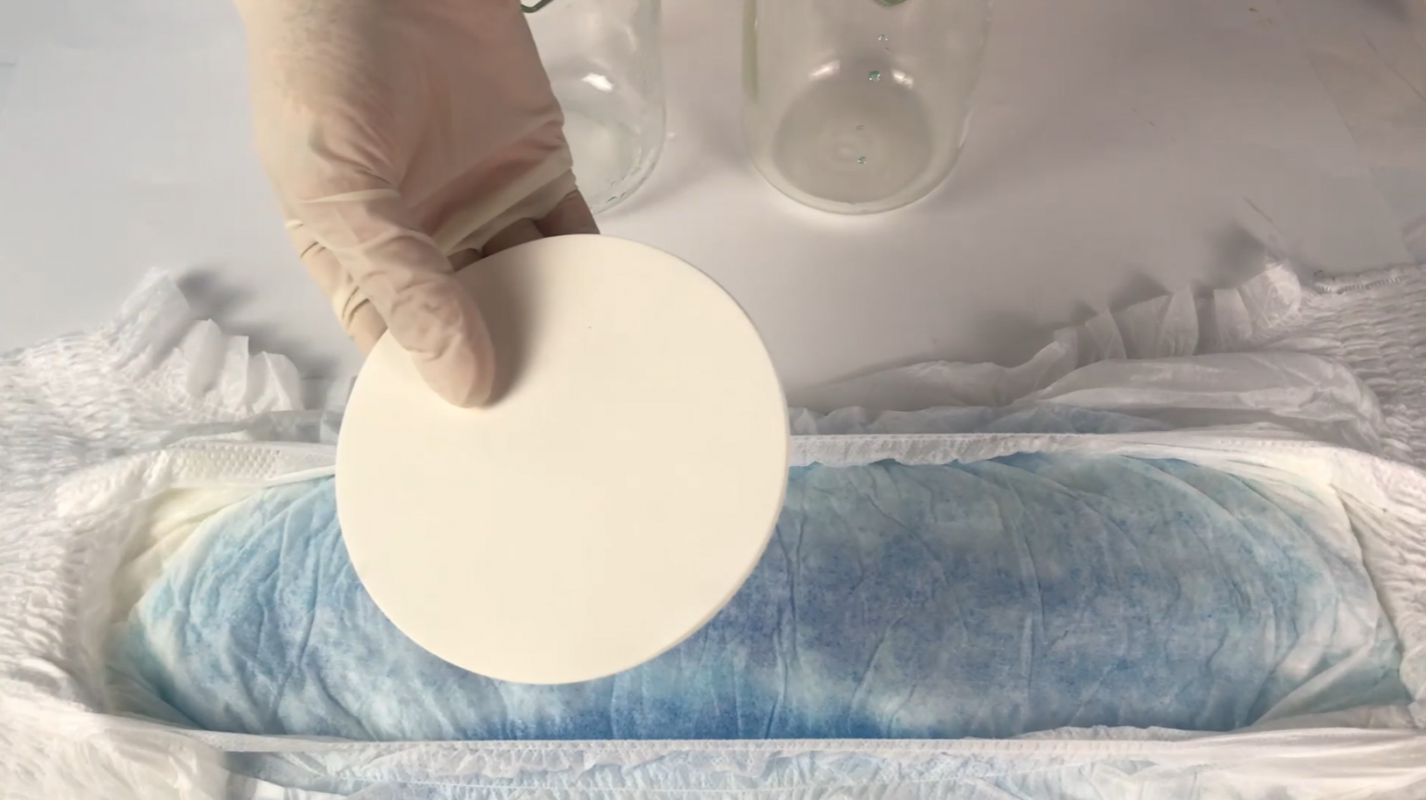
What Affects Absorption Performance?
Several factors determine how well a diaper manages fluid:
- Core composition — Superabsorbent polymers (SAP) in modern products can absorb 100-500 times their weight in water
- Fit and snugness — Gaps reduce effectiveness by up to 40%
- Body position — Standing vs. lying affects distribution
- Quality of materials — Reputable manufacturers test to international standards (ISO 11948-1)
According to NIH research on absorbent products, properly selected adult diapers can handle typical adult bladder capacity (10-16 oz per void) without leakage when changed regularly.
What Do Urologists Recommend for Managing Incontinence?
Medical professionals take a multi-pronged approach to incontinence management. Here are the expert recommendations:
1. Professional Assessment First
"Before selecting any absorbent product, patients should undergo proper urological evaluation. Incontinence is a symptom, not a diagnosis, and treating the underlying cause when possible should always be the priority." — American Urological Association (AUA) Clinical Guidelines
2. Product Selection Criteria
Urologists recommend considering:
- Severity of symptoms — Light, moderate, or heavy leakage
- Lifestyle factors — Active individuals need different products than bedridden patients
- Frequency of changes — Products should be changed every 4-6 hours
- Skin health — Look for breathable materials to prevent dermatitis
3. Complementary Management Strategies
The International Continence Society recommends combining absorbent products with:
- Pelvic floor muscle training (Kegel exercises)
- Bladder training programs
- Fluid management strategies
- Weight management when applicable
- Medication adherence for treatable conditions
4. When to Seek Medical Help
Consult a urologist if you experience:
- Sudden onset of incontinence
- Blood in urine
- Pain or burning during urination
- Nocturia (waking multiple times at night to urinate)
Can You Urinate Directly Into Incontinence Pads?
Yes, incontinence pads and adult diapers are specifically designed for this purpose.
Unlike menstrual pads, which aren't meant for urine, incontinence products are engineered with:
Key Differences from Feminine Hygiene Products
| Feature | Incontinence Pads | Menstrual Pads |
|---|---|---|
| Fluid handling | Rapid absorption of urine | Slower absorption of blood |
| Core design | SAP for liquid locking | Different absorption matrix |
| Odor control | Built-in antimicrobial layers | Limited odor protection |
| Wetness indication | Many have change indicators | Not typically included |
Proper Usage Guidelines
- Positioning — Center the pad in your underwear
- Change frequency — Every 3-4 hours or when wet
- Overnight consideration — Use maximum-absorbency products for sleep
- Disposal — Wrap securely and discard in trash (not toilet)
For detailed information on proper incontinence care, the National Association for Continence (NAFC) provides comprehensive resources.
Which Adult Diapers Have the Highest Absorbency?
For individuals requiring maximum protection, here are the top-performing options:
Top-Rated High-Capacity Products
1. Premium Overnight Products
- 80-100 oz capacity
- Designed for 8-10 hours of protection
- Feature tall leak guards and waistband protection
2. Bariatric-Sized Options
- Extended sizes for larger body frames
- Same high absorbency with better fit
- Prevents chafing and pressure points
3. Gender-Specific Designs
- Products tailored to male/female anatomy
- Optimized absorption zones
- Improved comfort and discretion
Features to Look for in Maximum Protection
- Tall standing leak guards (at least 4 inches)
- Waistband elastics for secure fit
- Breathable backsheet to prevent heat buildup
- Wetness indicator showing when change is needed
- Odor locking technology with activated charcoal or similar
Choosing the Right Product: A Decision Framework
Step 1: Assess Your Needs
Ask yourself:
- How much fluid are you managing per day?
- Are you primarily standing, sitting, or lying down?
- Do you need daytime discretion or overnight protection?
- Do you have sensitive skin?
Step 2: Match Product to Severity
| Leakage Level | Recommended Product |
|---|---|
| Light (dribbles) | Liner or light pad |
| Moderate (small voids) | Protective underwear |
| Heavy (full bladder voids) | Adult diaper with tabs |
| Severe (constant flow) | Maximum protection + additional pads |
Step 3: Consider Your Lifestyle
- Active/working — Pull-up style for easy changing
- Caregiver-assisted — Tab-style for easier changing
- Overnight only — High-capacity overnight products
- Sensitive skin — Fragrance-free, organic cotton options
Key Takeaways
- Modern adult diapers can handle full bladder voids when properly sized and changed regularly
- Urologists recommend comprehensive evaluation before selecting products, combined with behavioral and medical treatments
- Incontinence pads are specifically designed for urine (unlike menstrual products) and work effectively for direct voiding
- Capacity varies widely (8-100+ oz) — choose based on your specific needs
- Fit and regular changing are as important as absorbency rating
Expert Resources
- American Urological Association
- International Continence Society
- National Association for Continence
- NIH: Management of Urinary Incontinence
This article is for informational purposes and does not constitute medical advice. Consult a healthcare professional for personalized incontinence management recommendations.