
I once saw a client's premium sanitary pads fail rewet testing—despite using what their supplier called "high-grade SAP." The polymer wasn't the problem. The topsheet's fluid acquisition rate was less than half what it needed to be.
If you're sourcing materials for sanitary pads, panty liners, or menstrual pants, knowing the right specifications separates a $0.03 product that generates returns from a $0.12 product that builds repeat customers. This feminine care raw materials guide walks through the three core components—super absorbent polymer, nonwoven face layers, and breathable backsheet film—with the granular detail that procurement teams and brand owners actually need.
We operate feminine hygiene OEM production lines and have tested 47 material combinations over the past decade. Here's what the datasheets mean in practice.
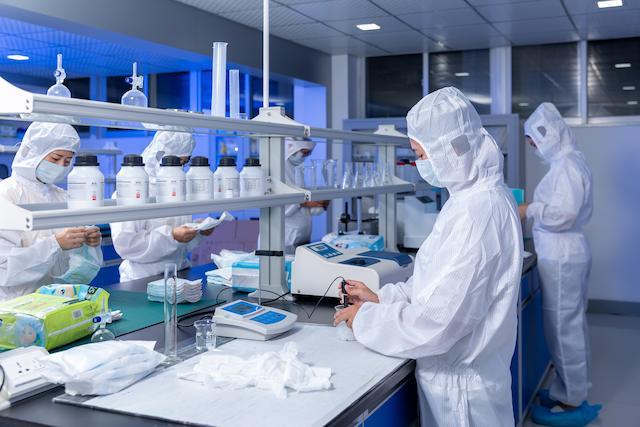
Super Absorbent Polymer (SAP): The Core of Absorption Performance
SAP is the functional engine inside every sanitary pad. This cross-linked polyacrylate network swells into a hydrogel on contact with fluid, locking hundreds of times its own weight in liquid. Selecting the right SAP grade for your product means balancing absorption speed, retention under pressure, and residual monomer safety—three variables that rarely peak together.
How SAP Works and What the Numbers Tell You
The absorption mechanism relies on osmotic pressure differential. Fixed anionic charges (carboxylate groups, –COO⁻) inside the polymer matrix attract cations from incoming fluid. As sodium ions flood in, polymer chains uncoil and form a three-dimensional gel structure that immobilizes liquid.
When reviewing a supplier's certificate of analysis, focus on these benchmarks:
| Indicator | Premium Grade | Standard Grade | Test Method |
|---|---|---|---|
| Absorption capacity (0.9% NaCl) | 45–50 g/g | 35–40 g/g | EDANA WSP 240.2 |
| Free swell rate | Under 30 seconds | 30–60 seconds | EDANA WSP 242.2 |
| Retention under load (0.3 psi) | ≥40 g/g | 30–35 g/g | EDANA WSP 241.2 |
| Residual monomer | Under 50 ppm | Under 300 ppm | HPLC |
| pH (1% aqueous dispersion) | 6.0–7.5 | 5.5–8.0 | pH meter |
Absorption speed dictates whether fluid pools on the surface or disappears instantly. Anything above 40 seconds risks user-perceptible wetness. Retention capacity—the amount of liquid held against mechanical pressure—becomes critical when the wearer sits, walks, or sleeps. Low retention means re-wet: fluid migrating back through the topsheet.
Cross-linking density creates a trade-off. Denser cross-linking produces finer gel particles that absorb quickly but hold less total fluid. Feminine hygiene manufacturers typically specify medium cross-linking grades with particle distribution in the 300–600 μm range, striking a balance between speed and total capacity.
Why Japanese SAP Commands a Premium
Japanese polymer producers dominate the consistency game. Nippon Shokubai holds roughly 25% of global SAP capacity, and its AQUA KEEP® series appears in premium hygiene products worldwide. Sumitomo Seika's Aqua Keep SA60N is widely regarded as the reference standard for sanitary napkin applications.
Here's the actual performance sheet for SA60N against industry benchmarks:
| Parameter | SA60N Specification | Measured Result | Industry Average |
|---|---|---|---|
| Centrifuge retention | 40 g/g minimum | 42 g/g | 30 g/g |
| 0.9% NaCl free swell | 62 g/g | 64 g/g | 40 g/g |
| Residual monomer | Under 50 ppm | 19 ppm | Under 300 ppm |
| Absorption time to 50% capacity | Under 40 seconds | 34 seconds | Under 60 seconds |
| Particle size (300–600 μm fraction) | ≥85% | 88% | 70–75% |
The 19 ppm residual monomer figure is what separates pharmaceutical-grade SAP from commodity grades. Low residual acrylic acid reduces dermatological irritation risk and improves gel stability over the product's shelf life—important considerations when the material contacts mucosal tissue for hours.
Why the cost premium? Japanese producers use higher-purity acrylic acid feedstock and tighter statistical process control. Their particle size distribution is notably tighter: 88% within the target band versus 70–75% for mid-tier alternatives. Consistent particle size translates to predictable absorption performance across every pad on the line.
Procurement note: Sumitomo SAP ships in 800 kg bulk bags or 25 kg paper sacks. Minimum order is typically one pallet (800 kg), with a 6–8 week lead time from Japan. For brands unable to commit to that volume, our raw materials sourcing team can consolidate orders.
SAP Quality Verification and Rewet Standards
Rewet—the quantity of fluid that returns to the surface after absorption—is arguably the single most important comfort metric for sanitary protection products.
The standard method (EDANA WSP 070.2) works as follows:
- Place the SAP-blended absorbent core in the test apparatus
- Dispense synthetic urine (0.9% saline) at a controlled flow rate
- After the insult is fully absorbed, position dry filter paper on the topsheet under a 1.2 kPa weight
- Measure the filter paper's mass gain—this is the rewet value
Industry rewet benchmarks for finished products:
| Product Tier | Rewet Limit | Consumer Experience |
|---|---|---|
| Premium | ≤0.05 g | "Completely dry to the touch" |
| Standard | ≤0.10 g | "Mostly dry" |
| Economy | ≤0.20 g | "Noticeably damp" |
SAP quality alone doesn't guarantee low rewet. Fine particles (under 100 μm) can migrate toward the topsheet during transport and handling, creating localized wetness zones. A proper incoming inspection checklist covers:
- Free swell capacity (0.9% NaCl, 30-minute soak)
- Absorption rate (time to 50% of free swell capacity)
- Centrifuge retention at 0.3 psi
- Rewet on a finished core coupon
- Residual monomer (HPLC, supplier CoA)
- Particle size analysis (sieve method)
Nonwoven Topsheets: The Skin-Contact Interface
The topsheet performs two contradictory jobs: it must move fluid away from skin as fast as possible, and it must feel dry and soft immediately afterward. For private label and OEM sanitary napkin products, topsheet selection often drives more consumer perception than any other component.
Comparing Nonwoven Technologies
Four major nonwoven types compete for feminine hygiene topsheets. Each brings a different balance of softness, fluid handling, and unit cost.
| Property | Spunbond | SMS | Hot Air Through-Bonded | Spunlace |
|---|---|---|---|---|
| Manufacturing | Continuous filament extrusion | Spunbond + meltblown sandwich | Thermal bonding with heated air | High-pressure water jets |
| Basis weight range | 13–30 gsm | 15–35 gsm | 18–60 gsm | 30–80 gsm |
| Surface feel | Smooth, slightly synthetic | Soft, good drape | Very soft, cotton-like | Softest, textile-like hand |
| Hydrophilicity | Requires topical treatment | Requires topical treatment | Often inherently hydrophilic | May remain untreated |
| Fluid acquisition rate | Moderate | Good | Excellent | Good |
| Relative cost | 1.0× baseline | 1.3× | 1.5× | 2.0× |
| Typical application | Economy pads | Mid-tier pads | Premium pads | Ultra-premium, panty liners |
Spunbond offers the lowest material cost but compromises on softness. The continuous filament structure provides tensile strength but feels noticeably plastic-like against skin. A hydrophilic surface treatment—typically ethoxylated surfactant coating—is mandatory for fluid penetration.
SMS inserts a meltblown middle layer between two spunbond layers for improved barrier properties and drape. The meltblown fibers also dampen the "rustling" sound that some consumers find off-putting in economy products.
Hot Air through-bonded nonwovens use thermal air to bond fibers in a random orientation, creating a lofted, cotton-like texture. The random fiber arrangement generates better capillary wicking than aligned spunbond filaments. Nearly every premium sanitary pad on the market uses hot air topsheets for the softness advantage alone.
Spunlace (hydroentangled) replaces chemical binders with high-pressure water jets, producing a fabric that feels closest to woven textile. These materials appear in ultra-premium and organic-positioned products where tactile quality is the primary selling point.
Basis weight selection by product category:
- 13–18 gsm: Panty liners, ultra-thin day pads
- 18–25 gsm: Standard day and night pads (most common)
- 25–35 gsm: Premium thick pads, maternity products
- 35–60 gsm: Specialty items (postpartum, light incontinence)
Hydrophilic Treatment and Directional Fluid Management
Untreated polypropylene, the dominant base polymer for hygiene nonwovens, is hydrophobic—fluid beads on the surface. Hydrophilic modification changes the surface energy so that aqueous fluids spread and penetrate instead.
Three treatment approaches exist:
- Topical coating — Surfactant applied to the finished fabric surface. Economical but can wash out over time.
- Bulk additive — Hydrophilic masterbatch mixed into polypropylene pellets before extrusion. More durable, marginally higher material cost.
- Plasma treatment — Low-temperature plasma alters surface chemistry without chemicals. Creates permanent hydrophilicity but at significantly higher processing cost.
The topsheet's critical design principle is directional fluid management: vertical penetration must outpace lateral spreading. This requires:
- A capillary structure that preferentially draws fluid downward into the absorbent core
- Gradient-density construction (tighter at the bottom, more open at the surface) via variable calendering
- Optional aperturing—laser or mechanical perforations—that can improve acquisition speed by 20–30%
Topsheet performance testing criteria:
| Test | Method | Acceptance Threshold |
|---|---|---|
| Rewet (wet-back) | EDANA WSP 070.2 | ≤0.05 g for premium tier |
| Fluid strike-through time | 5 mL synthetic urine, timed penetration | Under 3 seconds |
| Surface dryness | Visual inspection post-rewet | No visible surface moisture |
PE Breathable Backsheet Film: Leakage Barrier with Moisture Management
The backsheet performs two opposing functions: it must prevent any liquid from escaping the pad, and it must allow water vapor—perspiration—to pass through. PE (polyethylene) breathable film achieves this through a microporous mechanism.
How Microporous Breathability Works
During film manufacturing, calcium carbonate (CaCO₃) particles are dispersed into molten polyethylene. After extrusion, biaxial stretching creates microscopic voids around each CaCO₃ particle, forming pores between 0.1 and 1.0 μm in diameter.
This pore architecture creates a one-way moisture valve:
- Water vapor molecules (~0.0004 μm) pass freely through the pores
- Liquid water droplets (>100 μm due to surface tension) are blocked
MVTR (Moisture Vapor Transmission Rate) quantifies breathability, expressed in grams of water vapor transmitted per square meter per 24 hours.
Backsheet MVTR ranges by product tier:
| Backsheet Category | MVTR (g/m²·24 hr) | Application |
|---|---|---|
| Non-breathable standard PE | Under 200 | Economy products |
| Low breathability | 200–1,000 | Standard products, temperate climates |
| Medium breathability | 1,000–3,000 | Most common for international brands |
| High breathability | 3,000–6,000 | Premium products, hot/humid regions |
| Ultra-high breathability | 6,000–8,000 | Specialty, tropical markets |
Climate strongly influences the right MVTR specification:
- Temperate zones (Western Europe, North America): 2,000–4,000 MVTR is sufficient
- Hot, humid regions (Southeast Asia, Latin America): 4,000–8,000 MVTR recommended
- Ultra-thin products demand higher MVTR because the reduced core volume concentrates moisture generation
PE Film Technical Specifications
| Parameter | Typical Range | Premium Grade | Test Standard |
|---|---|---|---|
| Basis weight | 18–35 gsm | 20–25 gsm | ISO 536 |
| Caliper | 0.018–0.035 mm | 0.020–0.025 mm | Micrometer |
| MVTR | 2,000–8,000 g/m²·24 hr | 5,000–8,000 | ASTM E96 |
| Hydrostatic head | >2,000 mm H₂O | >3,000 mm H₂O | ISO 811 |
| Tensile strength, MD | >15 N/25 mm | >20 N/25 mm | ASTM D882 |
| Tensile strength, CD | >10 N/25 mm | >15 N/25 mm | ASTM D882 |
| Elongation at break | >200% | >300% | ASTM D882 |
Embossed or micro-embossed surface finishes reduce the "plastic crinkle" sound and tactile impression. Premium backsheets use micro-embossed patterns that mimic textile grain.
When requesting quotations from backsheet suppliers, include these items in your RFQ:
- MVTR test report per ASTM E96 (desiccant method)
- Hydrostatic pressure resistance per ISO 811
- Tensile data in both MD and CD directions
- Calcium carbonate loading (directly affects both MVTR and cost)
- RoHS and REACH compliance certificates
For brands working through an OEM manufacturing partner, the factory should provide all five documents before production begins.
Cost structure for PE breathable film:
- Higher MVTR requires more CaCO₃ loading and stretching, adding 10–20% to material cost
- Micro-embossed calender finishes add 5–10% over standard matte
- Narrow rolls (under 800 mm width) carry a per-square-meter premium due to edge-trim yield loss
TCF Bleaching and Environmental Compliance
TCF (Totally Chlorine Free) bleaching eliminates all chlorine-containing compounds from pulp processing. This matters to feminine hygiene brands because the pulp layer sits millimeters from skin—and because consumers increasingly screen for this claim.
TCF vs. ECF: The Real Differences
TCF bleaching uses oxygen-based oxidants exclusively:
- Hydrogen peroxide (H₂O₂): Primary bleaching agent
- Ozone (O₃): Strong oxidant for residual lignin removal
- Peroxyacids (e.g., peracetic acid): Selective bleaching with minimal fiber degradation
- Enzymatic pre-treatment: Laccase or manganese peroxidase to modify lignin structure, reducing downstream chemical demand
| Parameter | TCF | ECF | Conventional Chlorine |
|---|---|---|---|
| Bleaching chemistry | H₂O₂, O₃, peroxyacids | Chlorine dioxide (ClO₂) | Chlorine gas (Cl₂) |
| AOX generation | None | Very low (<10 kg/ton pulp) | 50–100 kg/ton |
| ISO brightness | 80–85% | 85–90% | 88–92% |
| Environmental footprint | Lowest | Low | High |
| Cost premium vs. ECF | +20–30% | +5–10% over chlorine | Baseline |
| Consumer perception | "Cleanest option" | "Acceptable" | "Concerning" |
AOX (Adsorbable Organic Halogens) are chlorinated organic compounds generated during chlorine-based bleaching. Some AOX species persist in the environment and accumulate in food chains. TCF eliminates AOX entirely.
While no direct health risk from ECF-bleached fluff pulp in feminine products has been established through clinical study, the consumer perception gap is real and widening. In European and North American markets, particularly among 18–34 demographic segments, TCF claims drive measurable purchase preference.
Certifications to verify for TCF pulp sourcing:
- FSC (Forest Stewardship Council) chain-of-custody with TCF claim
- EU Ecolabel certification
- Nordic Swan Ecolabel (most stringent TCF requirements)
- OEKO-TEX Standard 100 (tests for harmful substances including AOX residuals)
Technical and Cost Trade-offs
TCF bleaching introduces real manufacturing challenges:
- Lower brightness ceiling: Hydrogen peroxide reaches 80–85% ISO brightness versus 88–92% for chlorine-bleached pulp. This is functionally acceptable because the pulp is hidden inside the absorbent core.
- Higher energy intensity: TCF sequences require more washing stages and elevated temperatures, increasing energy consumption by 20–30% over ECF.
- Longer sequences: Typical TCF sequences—O-Z-P-O-P (oxygen, ozone, peroxide, oxygen, peroxide)—use 5–7 stages compared to 3–4 for ECF.
- Yield penalty: TCF loses 2–5% more fiber mass than ECF.
Cost breakdown for fluff pulp:
| Cost Component | TCF (per ton) | ECF (per ton) | Difference |
|---|---|---|---|
| Process energy | $50 | $38 | +32% |
| Bleaching chemicals | $45 | $35 | +29% |
| Yield loss | $30 | $15 | +100% |
| Total premium | +20–30% |
When TCF makes commercial sense:
- Target markets in Western Europe, North America, Australia, or New Zealand
- Products positioned as premium, organic, or "clean" at shelf
- Retail chains that mandate TCF (Whole Foods, DM, European organic chains)
When ECF is commercially adequate:
- Price-sensitive markets in developing regions
- Standard or economy product tiers
- ECF meets all current regulatory requirements (FDA 21 CFR, REACH, EU Cosmetics Regulation)
Raw Material Configuration by Product Tier
The end-user experience of a sanitary pad is determined by how these three materials interact. Here are three validated configurations from our OEM production lines:
Premium Configuration (consumer retail $0.15–0.25 per pad)
| Component | Specification | Why |
|---|---|---|
| SAP | Sumitomo SA60N or equivalent, absorption ≥45 g/g | Lowest rewet, highest retention |
| Topsheet | Hot Air through-bonded, 20–25 gsm, hydrophilic | Best tactile softness, fastest fluid acquisition |
| Backsheet | PE breathable film, MVTR 5,000–8,000 | Maximum comfort across climate zones |
| Fluff pulp | TCF-bleached, FSC-certified | Environmental claim substantiation |
| Material cost | $0.06–0.09 per pad |
Standard Configuration (consumer retail $0.08–0.15 per pad)
| Component | Specification | Why |
|---|---|---|
| SAP | Chinese domestic premium, absorption 35–40 g/g | Solid performance at moderate cost |
| Topsheet | SMS, 18–22 gsm | Balanced softness and unit economics |
| Backsheet | PE breathable film, MVTR 2,000–4,000 | Adequate breathability for temperate markets |
| Fluff pulp | ECF-bleached | Meets all regulatory requirements |
| Material cost | $0.04–0.06 per pad |
Economy Configuration (consumer retail under $0.08 per pad)
| Component | Specification | Why |
|---|---|---|
| SAP | Chinese domestic standard, absorption 30–35 g/g | Minimum viable performance |
| Topsheet | Spunbond, 15–20 gsm | Lowest cost with adequate function |
| Backsheet | PE film, low or non-breathable | Cost optimization |
| Fluff pulp | ECF or mechanical | Lowest cost option |
| Material cost | $0.025–0.035 per pad |
Material typically represents 50–65% of factory gate cost, with the higher end applying to premium tiers where SAP and topsheet quality carry disproportionate weight.
OEM Procurement: Supplier Verification and MOQ Strategy
Sourcing absorbent hygiene materials for your brand means verifying claims before committing to production volumes. Our Quality Control team applies the following evaluation framework.
SAP Supplier Evaluation
| Criteria | Required Verification | Warning Signal |
|---|---|---|
| Capacity | >10,000 metric tons/year | Under 5,000 tons/year (supply risk) |
| Batch consistency | Certificate of Analysis for every shipment | CoA missing or incomplete |
| Residual monomer guarantee | Under 50 ppm | Exceeds 100 ppm or untested |
| Lead time reliability | Under 8 weeks order to delivery | Over 12 weeks or unpredictable |
| Technical support | In-house application lab | No technical service team |
Supplier tiers for SAP:
- Tier 1: Sumitomo Seika (Japan), Nippon Shokubai (Japan), BASF (Germany)
- Tier 2: Evonik (Germany), Sanyo Chemical (Japan), Formosa Plastics (Taiwan)
- Tier 3: Multiple Chinese domestic producers—quality varies; audit required
Typical MOQs and Negotiation Approaches
| Material | Standard MOQ | Negotiated MOQ | Leverage Strategy |
|---|---|---|---|
| SAP (Japanese) | 800 kg/pallet | 400 kg (half pallet) | Commit to ocean freight for full container |
| SAP (Chinese domestic) | 500 kg | 200 kg | First-order trial quantity |
| Nonwoven roll goods | 1,000 kg | 500 kg | Share warehousing across multiple SKUs |
| PE breathable film | 2,000 kg | 1,000 kg | Optimize roll-width specification |
| Fluff pulp (bleached) | 20 metric tons | 10 metric tons | TCF grades carry higher MOQs; plan inventory accordingly |
Compliance Documentation
Mandatory supplier documentation for the hygiene materials supply chain:
| Certification | Scope | Updates |
|---|---|---|
| OEKO-TEX Standard 100 | All skin-contact materials | Annual renewal |
| REACH SVHC compliance | All materials (EU-bound products) | Ongoing (SVHC candidate list updates biannually) |
| FSC Chain of Custody | Pulp and cellulosic components | 5-year cycle |
| ISO 9001 | Quality management system | 3-year cycle |
| ISO 13485 | Medical device quality system | 3-year cycle |
OEKO-TEX Standard 100 specifically tests for pH, formaldehyde (under 16 ppm for infant, under 75 ppm for adult products), heavy metals (lead, cadmium, arsenic, mercury), pesticide residues (natural fibers), phthalates, and AOX.
REACH SVHC compliance must account for the full candidate list—241 substances as of the January 2025 update. Key SVHCs relevant to hygiene materials include phthalates (DEHP, DBP, BBP), AOX-generating compounds from pulp bleaching, perfluorinated substances (PFOS, PFOA), and certain azo dyes capable of releasing carcinogenic aromatic amines.
Selecting Materials That Deliver
Raw material selection determines roughly 60–70% of finished product performance. This guide has covered the three core material categories—SAP, nonwoven topsheets, and PE breathable film—each requiring precise technical specifications to meet target performance benchmarks.
Key specifications to lock into your product brief:
- SAP: Free swell capacity ≥45 g/g and rewet ≤0.05 g for premium-tier products
- Topsheet: Hot Air through-bonded at 20–25 gsm for a premium tactile experience
- Backsheet: MVTR 5,000–8,000 for hot/humid markets; 2,000–4,000 for temperate zones
- TCF pulp: Worth the 20–30% premium only when the end market values environmental positioning
Next steps for your OEM project:
- Define your product tier—premium, standard, or economy—to narrow material specifications
- Request certified technical datasheets from two to three suppliers per material category
- Commission lab testing on material coupons before committing to production orders
- Negotiate MOQs anchored to 12-month volume projections
Need technical support? Our feminine care OEM team provides specification guidance, supplier introductions, and manufacturing quotations. We also maintain a raw materials knowledge base with supplier audit reports and test data. For a deeper look at our production capabilities, see our manufacturing process overview.
External References
- Nippon Shokubai SAP Technology — Super absorbent polymer chemistry and specifications
- OEKO-TEX Standard 100 — Certification criteria for textile and hygiene materials
- EDANA WSP Test Methods — Nonwoven and absorbent hygiene product test standards
- REACH SVHC Candidate List — European Chemicals Agency restricted substances database
This article is written for procurement professionals, product development managers, and OEM/ODM clients in the absorbent hygiene industry. All technical data should be verified with suppliers against current certificates of analysis before placing purchase orders.