
In 2023, I counted 23 new period care brands launched on Amazon in a single quarter. Most of them will not survive 18 months. The ones that do share a pattern: they identified a real trend, aligned with an OEM partner who could execute, and refused to compete on price alone.
This article covers what is actually working in 2026 for private label feminine care brands—based on marketplace data, not marketing decks. According to Fortune Business Insights, the global feminine hygiene products market reached $48.18 billion in 2026 and projects to $85.81 billion by 2034, representing a 7.48% CAGR. Private label and OEM-manufactured brands are capturing a growing share of that expansion.
If you are planning a launch in 2026–2027, the era of easy entry is ending. But opportunities remain for brands that can distinguish between genuine market trends and marketing noise.
In this article: Seven trends reshaping private label period care in 2026—which ones warrant product reformulation, and which ones you can safely deprioritize.
The Private Label Transformation in Period Care
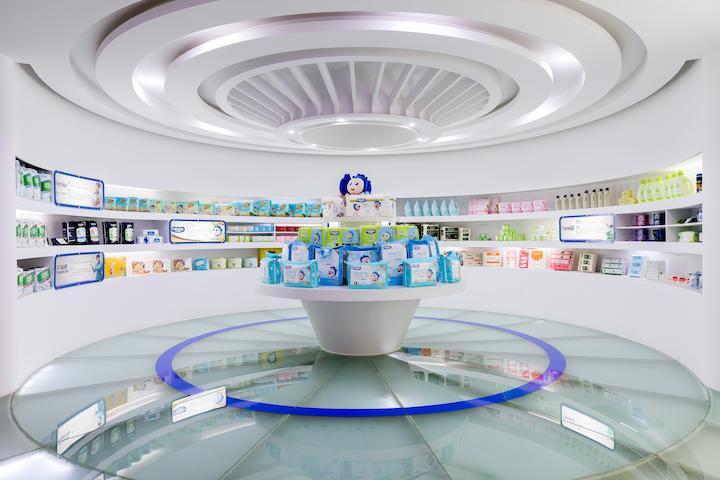
Private label feminine hygiene has undergone a structural shift. Store brands and independent labels are no longer positioned as "cheaper alternatives"—they are becoming innovation leaders in materials, sustainability, and direct consumer engagement.
Market Scale and Growth Trajectory
The numbers tell a compelling story. A 2025 Smithers Research analysis found that private label feminine care products now account for 15–20% of the North American and Western European markets, up from 8–12% in 2020. This 7–8 percentage-point share gain has come primarily at the expense of legacy multinational brands whose innovation cycles have slowed.
Our OEM selection framework helps brands evaluate manufacturing partners systematically before committing to this market.
Trend #1: Sustainability as a Purchase Driver
In 2026, sustainability has shifted from corporate narrative to consumer behavior. According to Datainsights Market Research, 68% of female consumers aged 18–45 now report willingness to pay a 15–25% premium for period care products with verified environmental credentials.
Organic and Natural Product Growth
The organic feminine care segment is expanding at a 12.3% CAGR from 2026 to 2033 (The Business Research Company), outpacing conventional products by a wide margin.
Key material trends driving OEM innovation:
Biodegradable components:
- Bamboo fiber and certified organic cotton now account for roughly 30% of raw material inquiries for new OEM development projects.
- PLA (polylactic acid) bioplastic packaging is growing at approximately 45% annually as brands seek plastic-free alternatives.
- Water-soluble tampon applicators are gaining traction in Western European markets that are tightening single-use plastic regulations.
Plastic-free packaging:
- About 55% of private label brands launching in 2026 feature plastic-free or minimal-plastic outer packaging.
- Compostable individual wraps and cardboard tampon applicators have reached cost parity with traditional plastic formats.
- OEM manufacturers are investing an estimated $2–3 million on average in sustainable material R&D facilities, per EDANA industry data.
Carbon-neutral production:
- Leading OEM facilities in China have achieved carbon neutrality through rooftop solar arrays and waste heat recovery systems.
- Brands can now substantiate "carbon-neutral manufacturing" as a verifiable consumer claim.
- ISO 14064 certification is becoming a standard requirement for tier-1 contract manufacturing partners.
Trend #2: Premiumization of Private Label
Private label feminine care is no longer about being the cheapest option on the shelf. It is about offering a product experience that justifies a mid-to-premium price point.
Anatomy of a Premium Private Label Product
Advanced absorbent core technology:
Understanding raw material specifications is essential because the absorbent core defines product performance. Japanese SAP formulations, air-laid acquisition layers, and hybrid fluff-pulp-plus-polymer cores enable thin-profile products that match or exceed the absorbency of thicker conventional pads. Breathable polyethylene backsheets with moisture-wicking properties are now standard in premium private label lines.
Dermatological testing and certification:
- OEKO-TEX Standard 100 certification is increasingly expected for premium-tier private label products.
- Hypoallergenic claims backed by clinical patch testing cost approximately $15,000–$25,000 per SKU but provide defensible differentiation.
- FDA-registered, cGMP-compliant manufacturing facilities are becoming the baseline requirement for US market entry.
Premium packaging and unboxing:
- Individually wrapped pads with elegant, discreet graphic design
- Resealable pouches and travel-friendly dispenser formats
- QR codes linking to educational content, ingredient transparency, and brand storytelling
Schedule a consultation with our OEM team →
Trend #3: Personalization and Niche Targeting
The winning private label brands in 2026 are not trying to serve every menstruating person. They are targeting specific sub-segments with tailored product architecture and messaging.
High-Growth Niches
Teen and first-period products:
- Physically smaller pad dimensions with age-appropriate packaging design
- Educational components—booklets, QR-linked videos, app integration—as brand-building tools
- Parent-purchased but increasingly teen-influenced purchase decisions
- Segment growing at approximately 18% CAGR (2026–2030 projection)
Postpartum and maternity:
- Extra-long winged pads engineered for postpartum bleeding volume
- Discreet, hospital-bag-ready packaging
- Partnerships with maternity brands and OB-GYN practices for credibility
- Premium pricing tolerated because safety and comfort are paramount in this use case
Activity-specific products:
- Period-underwear integration with traditional disposable pad lines
- Moisture-wicking and odor-control technologies for athletic use
- Compact, discreet packaging for active, on-the-go consumers
- Co-branding potential with fitness, yoga, and outdoor lifestyle brands
Complementary reusable products:
- Washable pads and liners designed as backup for menstrual cups
- Sterilization cases and storage accessories
- Educational content explaining cup-and-pad combination protocols
- Appeals to zero-waste and sustainability-focused consumer segments
Trend #4: Shifting Manufacturing Hubs and Supply Chain Resilience
The geography of feminine care OEM production is evolving. China remains the dominant manufacturing origin, but supply chain resilience has become a board-level priority for brands.
China: Still the Manufacturing Capital, but Transforming
China manufactures an estimated 65% of the world's feminine hygiene products under OEM and ODM arrangements. The qualitative shift, however, is toward higher-value capabilities:
Tier-1 manufacturers (premium private label):
- ISO 9001, ISO 13485, FDA-registered, CE-marked facilities
- MOQs of 500,000–1,000,000 units per SKU
- Full R&D support: formulation, packaging design, regulatory dossier preparation
- Typical lead times: 45–60 days for standard configurations, 90–120 days for custom formulations
Tier-2 manufacturers (mid-market private label):
- MOQs of 100,000–500,000 units per SKU
- Adequate quality control but more limited R&D infrastructure
- Lead times: 30–45 days
- Cost advantage: 15–25% below tier-1 pricing
Emerging production hubs:
- Vietnam: Expanding at approximately 25% annually as brands diversify away from single-country dependency
- Turkey: Serving European markets with materially shorter shipping times
- Mexico: Nearshoring option for North American brands
- India: Strength in organic cotton and Ayurveda-positioned product concepts
Supply Chain Resilience Approaches
The pandemic-era disruptions taught a lasting lesson. In 2026, successful private label operators are:
Dual-sourcing critical inputs:
- Maintaining relationships with at least two contract manufacturers—often one in China and one in an emerging hub
- Accepting a 10–15% cost premium for supply chain redundancy
- Holding 3–6 months of safety stock for fast-moving SKUs
Nearshoring for speed:
- North American brands partnering with Mexican manufacturers for 2–3 week lead times versus 6–8 weeks from Asia
- European brands leveraging Turkish capacity for 10–15 day shipping versus 30–45 days from China
- Premium pricing justified by faster inventory turnover and reduced working capital
Trend #5: Digital-First Branding and DTC Dominance
The most successful private label period care launches in 2026 are digital-native brands that build direct consumer relationships before approaching retail gatekeepers.
The Direct-to-Consumer Advantage
Higher margin structure:
- DTC gross margins typically reach 60–70% versus 30–40% for retail-distributed brands
- Margin reinvestment fuels customer acquisition and product line expansion
- Subscription revenue models generate predictable recurring income, averaging 35% of DTC brand revenue
Customer data ownership:
- First-party data enables personalized lifecycle marketing and informed product development
- Email and SMS subscriber lists carry significant asset value at $5–15 per engaged contact
- New product launches with zero incremental customer acquisition cost
Agile product validation:
- DTC brands can market-test new SKUs with production runs as small as 10,000–25,000 units
- A/B testing of packaging, pricing architecture, and product claims
- Our OEM manufacturing process supports flexible batch sizes for market validation
Omnichannel as the Maturity Strategy
While DTC serves as the launch channel, mature private label brands expand into physical retail:
Amazon as the retail gateway:
- Approximately 65% of private label feminine care brands use Amazon as their primary sales channel in year one
- Best Sellers Rank in category functions as a proof point for brick-and-mortar buyer meetings
- FBA (Fulfillment by Amazon) provides logistics infrastructure before the brand builds its own warehousing
Mass and specialty retail:
- Strong Amazon performance (above $1M annual revenue) is increasingly a prerequisite for mass retail buyer conversations
- Specialty retailers serve brand-building roles: premium positioning at Sephora or Ulta, mass-premium at Target
- Our quality control systems ensure every production batch meets retail compliance specifications
Trend #6: Intensifying Regulatory and Safety Standards
As private label brands proliferate, regulatory scrutiny is tightening across all major markets. Brands that proactively invest in compliance and safety will be positioned to gain share as requirements ratchet upward.
Key Regulatory Frameworks
United States:
- FDA oversight of menstrual products as medical devices, not cosmetics
- cGMP (current Good Manufacturing Practice) compliance is mandatory
- California Proposition 65 compliance for heavy metals and phthalates
- Proposed federal ingredient transparency legislation anticipated by 2027
European Union:
- CE marking under the Medical Device Regulation (MDR) for feminine hygiene products
- Full REACH regulation compliance for all chemical inputs
- EU Ecolabel available for certified sustainable products
- Draft "Period Products Directive" under development, expected to standardize safety and labeling requirements by 2027
China:
- NMPA (National Medical Products Administration) registration for imported products
- Mandatory GB standards compliance for domestic market
- Green manufacturing incentives for sustainable production facilities
Safety as Brand Strategy
Leading private label brands are exceeding baseline compliance:
Third-party verification:
- Dermatologist-tested claims backed by independent clinical study documentation
- Hypoallergenic certification from accredited independent laboratories
- Published transparency reports disclosing full ingredient lists and supplier information
Ingredient transparency as marketing:
- "Clean" formulations avoiding parabens, synthetic fragrances, and chlorine bleaching compounds
- On-pack QR codes linking to complete ingredient disclosure and sourcing information
- Annual sustainability and safety reports functioning as consumer-facing marketing assets
Trend #7: New Product Formats and Delivery Systems
OEM manufacturers are introducing innovative product architectures that private label brands can adopt without undertaking their own R&D programs.
Emerging Product Architectures
Ultra-thin high-absorbency pads:
- 1–2 mm caliper with absorption performance matching 3–5 mm traditional pads
- Premium positioning justified by comfort, discretion, and modern aesthetic
- OEM minimums: 300,000–500,000 units for custom thin-profile configurations
Wingless designs with advanced adhesive:
- Next-generation positioning adhesives eliminate the need for wing construction
- Consumer preference surveys indicate roughly 40% would choose wingless if adhesive performance matched
- Material cost reduction: wings account for 8–12% of total pad material cost
- Patent-free adhesive technologies available through OEM partners
Period underwear integration:
- Hybrid systems combining reusable period underwear with disposable absorbent inserts
- OEM manufacturers now offering period underwear production at MOQs of 1,000–3,000 units
- Higher unit price points ($25–40) and gross margins (70–80%)
Connected packaging:
- NFC/RFID-enabled packaging for usage tracking and replenishment automation
- Authentication features to combat counterfeit products—a growing e-commerce problem
- Premium price justification and post-purchase customer engagement channel
Market Challenges and Strategic Responses
Despite the opportunity set, private label feminine care brands face significant headwinds.
Challenge #1: Building Trust from Zero
Incumbent brands have decades of consumer trust. New entrants must earn it systematically.
Strategic responses:
- Transparently showcase OEM facilities with photos, videos, and certification documentation on your website
- Accumulate 100+ verified customer reviews before approaching retail buyers
- Partner with trusted micro-influencers—nurses, athletic trainers, educators—not just macro-celebrities
- Invest in sample programs and trial sizes to lower first-purchase friction
Challenge #2: Retail Buyer Resistance
Category buyers are risk-averse and inundated with private label pitches.
Strategic responses:
- Use Amazon Best Sellers badges as independent credibility signals
- Present velocity data: show week-over-week sales growth, not just cumulative numbers
- Define a unique value proposition beyond price—"organic, plastic-free, women-founded" rather than "cheaper than Always"
- Invest in face-to-face relationships at industry trade events (ECRM, ASD Market Week, PLMA)
Challenge #3: Rising Digital Customer Acquisition Costs
Meta and Google CPMs for menstruation-related keywords have risen 40–60% since 2024.
Strategic responses:
- Invest in content-driven SEO as a long-term organic acquisition channel—12 to 18 months to maturity but sustainable
- Seed products to micro-influencers (10,000–100,000 followers) for authentic, earned content
- Build referral programs that convert customers into advocates—target 20–30% of new customer acquisition from referrals
- Develop owned email and SMS audiences less exposed to paid-media cost inflation
Launch Roadmap: 2026 Private Label Feminine Care
Based on analysis of successful brand launches, here is a phased approach:
Phase 1: Market Research and Positioning (Months 1–2)
- Define a specific target niche and detailed customer persona
- Conduct competitor pricing, positioning, and review analysis
- Articulate a unique value proposition
- Select an initial 3–5 SKU lineup for market entry
Phase 2: OEM Partner Selection (Months 2–3)
- Solicit quotations from 5–7 contract manufacturers
- Evaluate on: certifications, MOQ flexibility, R&D capability, communication quality
- Order and test samples from the top 2–3 candidates
- Commission independent laboratory testing on sample products
Phase 3: Brand and Packaging Development (Months 3–4)
- Develop complete brand identity: name, visual system, tone of voice
- Design packaging with sustainability and shelf differentiation as priorities
- Verify packaging compliance with target-market regulations
- Place initial inventory order covering 6 months of projected demand
Phase 4: Digital Infrastructure (Months 4–5)
- Build a Shopify or custom DTC storefront
- Create optimized Amazon listings with category-specific SEO
- Produce content marketing assets: blog, social channels, email sequences
- Implement analytics and customer attribution infrastructure
Phase 5: Launch and Scale (Month 6+)
- Soft launch with friends, family, and micro-influencer seeding
- Official launch activating paid acquisition channels
- Monitor customer feedback and iterate messaging and product as needed
- Plan retail expansion once $1M+ annualized revenue is achieved
Conclusion: The Window Is Open, but Not Indefinitely
The private label feminine care market in 2026 presents substantial opportunities for brands willing to invest in product quality, environmental responsibility, and direct customer relationships. With the global segment growing at over 7% annually and private label capturing increasing share, the window for building a defensible brand remains open.
That window, however, will not remain open forever. As new entrants continue flooding the market, product differentiation will become progressively harder, paid acquisition costs will keep climbing, and retail buyers will grow more selective.
The brands that win in 2026 and beyond will be those that:
- Dominate a specific niche before attempting to broaden into multiple categories
- Partner with OEM manufacturers who provide quality, flexibility, and genuine innovation support
- Embed sustainability as a core operating principle, not a marketing tactic
- Build direct consumer relationships through owned DTC channels and first-party data
- Operate on a multi-year horizon—3 to 5 years—rather than quarterly profit optimization
The feminine care market is structurally ready for disruption. With the right OEM manufacturing partner, a compelling brand narrative, and genuine customer focus, your private label can capture a meaningful share of this $48+ billion market.
Contact our OEM team to discuss your private label feminine care product specifications and receive a customized quotation.
Frequently Asked Questions
Q: What is the minimum budget to launch a private label feminine care brand in 2026?
Successful launches typically require $50,000–$150,000 in initial investment, covering OEM minimum order quantities, brand identity development, packaging, and initial customer acquisition spend. This range varies with product tier and SKU count.
Q: How long does it take to develop and launch private label period care products?
Plan 6–9 months from initial OEM contact to market launch, including sampling, laboratory testing, packaging design, and first production run. Rush timelines compress some steps but introduce quality risk.
Q: What certifications does my contract manufacturer need?
At minimum: ISO 9001 (quality management), FDA-registered facility (US market), and OEKO-TEX Standard 100 (material safety). ISO 13485 and cGMP compliance are preferred for premium positioning. Verify all certifications against issuing-body databases.
Q: Can I start with a single SKU?
It is possible, but most successful launches begin with 3–5 SKUs to provide consumer choice and increase average order value. Discuss minimums with your OEM—some offer trial runs of 10,000–25,000 units per SKU at proportionally higher unit cost.
Q: How do I ensure my products meet safety and regulatory requirements?
Work with OEM manufacturers who maintain dedicated regulatory affairs capability, commission independent third-party testing on every SKU before launch, and monitor regulatory developments in your target markets. Budget $15,000–$30,000 annually for ongoing testing and compliance activities.
References
- Fortune Business Insights, "Feminine Hygiene Products Market Size, Share & COVID-19 Impact Analysis," 2026.
- Smithers Research, "The Future of Private Label in Personal Care to 2028," 2025.
- EDANA, "Sustainability Report 2025," Sustainability initiatives in the nonwoven and absorbent hygiene products industry.