
How to OEM Diapers: A Complete Guide & Tips for Your Private Label Brand
Starting a diaper brand does not require building a factory from scratch. With OEM (Original Equipment Manufacturing), you can partner with established manufacturers to create your own private label diapers—without the massive upfront investment.
This guide walks you through everything you need to know about OEM diaper manufacturing, from finding the right supplier to getting your first shipment.
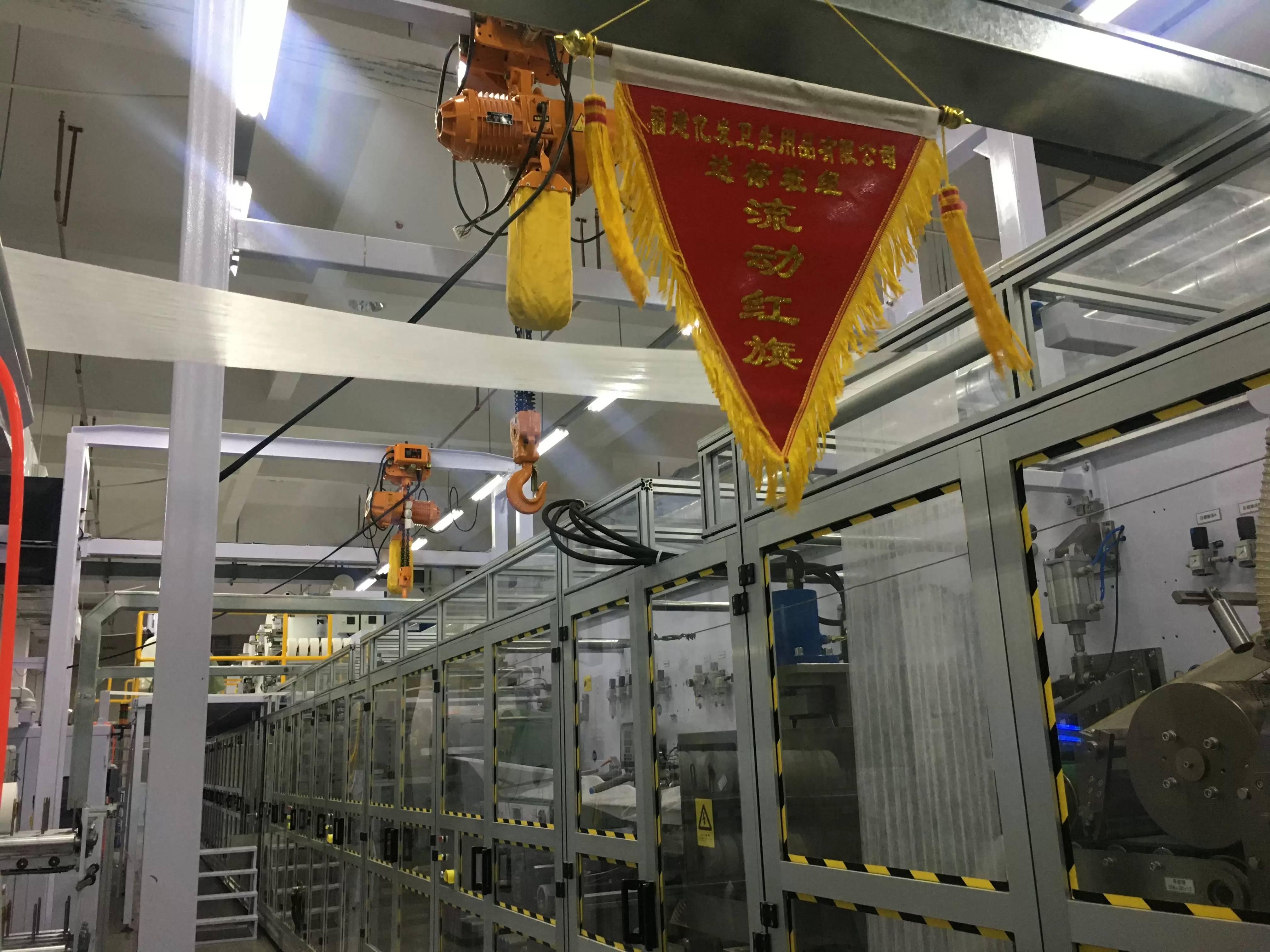
What Is OEM Diaper Manufacturing?
OEM diaper manufacturing means working with an existing factory to produce diapers under your brand name. The manufacturer handles production based on your specifications, while you focus on branding, marketing, and sales.
Why brands choose OEM:
- Cut startup costs by 70-80% compared to building your own factory
- Access to existing production lines and expertise
- Faster time to market (typically 3-6 months)
- Flexibility to test products without huge commitments
Step 1: Define Your Product Specifications
Before approaching manufacturers, you need to nail down what you want:
Core Specifications to Decide
| Parameter | Options | Considerations |
|---|---|---|
| Diaper Type | Newborn, Baby, Toddler, Adult | Target audience affects sizing |
| Style | Tape, Pant/Pull-up | Pull-ups growing in demand |
| Absorbency | Light, Regular, Heavy | Market positioning |
| Material | Standard, Premium, Eco-friendly | Cost vs. margin |
| Packaging | Bag, Box, Combo Pack | Retail vs. e-commerce needs |
Questions to Ask Yourself
- What is your target price point?
- Do you want eco-friendly options?
- Are you targeting premium or budget segment?
- Which markets: domestic, export, or both?
Step 2: Find the Right OEM Diaper Manufacturer
Not all factories are equal. Here is what to look for:
Red Flags to Avoid
- No certifications or outdated quality documents
- Reluctant to share factory audit reports
- Prices significantly below market average
- No sample production before bulk orders
What Makes a Great OEM Partner
- Certifications: CE, FDA, ISO, GMPC—these are not optional anymore
- Production capacity: Can they scale with your growth?
- MOQ flexibility: Some factories offer lower minimums for new brands
- R&D support: Do they help with formulation and design?
- Communication: Time zone compatibility and response time
Step 3: Request and Evaluate Samples
Never skip this step. Order samples from at least 3-5 manufacturers before deciding.
Sample Evaluation Checklist
Product Quality:
- Leak protection performance
- Skin comfort and breathability
- Fit and elasticity
- Absorbency speed and capacity
- Chafe and rash prevention
Packaging Quality:
- Print clarity and colors
- Bag/box durability
- Label accuracy (ingredients, sizes)
- Barcode and QR code functionality
Pro Tip: Test samples with real parents. Lab tests tell you specs; real users tell you if they will buy.
Step 4: Negotiate Terms and Pricing
Price negotiation is an art. Here is how to approach it:
Typical OEM Cost Breakdown
- Raw Materials: 35-40%
- Labor & Production: 25-30%
- Packaging: 15-20%
- Logistics: 5-10%
- Profit Margin: 10-15%
Negotiation Strategies That Work
- Order volume: Commit to larger orders for better rates
- Long-term contracts: Offer exclusivity for price breaks
- Payment terms: 30% deposit, 70% before shipping is standard
- Include tooling costs: First-time setup fees are negotiable
- Bundle services: Combine diaper and wipe orders for deals
Key Contracts Terms to Lock In
- Minimum order quantity (MOQ)
- Price per unit at different volume tiers
- Quality inspection standards
- Defect tolerance rates
- Lead time guarantees
- Payment and delivery terms
Step 5: Quality Control is Non-Negotiable
Your brand reputation depends on consistent quality. Build QC into every step.
Recommended Quality Checks
Before Production:
- Pre-production sample approval
- Material inspection
- First article inspection (FAI)
During Production:
- In-process inspection (10-20% sampling)
- Production line monitoring
Before Shipping:
- AQL sampling (typically 2.5 level)
- Packaging inspection
- Loading supervision
Testing Standards to Request
- Absorption capacity tests
- Leakage rate tests
- Skin irritation tests
- pH level verification
- Tensile strength tests
- Heavy metal and harmful substance screening
Step 6: Plan Your Launch Strategy
Production is only half the battle. Here is how successful brands launch:
Pre-Launch Checklist
- Finalize brand name and logo
- Design packaging with compliant labeling
- Set up product listings (website, Amazon, etc.)
- Prepare marketing materials
- Stock inventory at fulfillment center
- Train customer service team
Launch Strategy Tips
Start with a soft launch: Test with 500-1000 units before full production
Gather reviews early: Send samples to mommy bloggers and micro-influencers
Monitor feedback: Track quality complaints and address immediately
Plan reorders: Have buffer stock ready for quick restocking
Common OEM Diaper Mistakes to Avoid
- Chasing the lowest price: You will compromise quality. Aim for best value, not cheapest.
- Skipping samples: Always test before committing to bulk orders.
- Unclear specifications: Vague briefs lead to wrong products. Be detailed.
- Ignoring certifications: Regulatory compliance is not optional.
- No backup supplier: Always have a secondary manufacturer lined up.
- Underestimating lead times: Factor in shipping, customs, and potential delays.
How New Yifa Group Can Help
With over 30 years of experience in hygiene product manufacturing, New Yifa Group offers:
- 60+ automated production lines
- 100,000-level purification workshops
- 40+ international certifications (FDA, CE, ISO, GMPC)
- Flexible MOQ for new brands
- Full OEM/ODM services including formulation, design, and packaging
- Samples available for quality evaluation
We are proud to be a trusted OEM diaper manufacturer serving brands in 55+ countries.
Ready to Start Your Diaper Brand?
OEM diaper manufacturing is one of the most accessible ways to enter the baby care market. With the right partner and preparation, you can have your first products ready in as little as 3-4 months.
Next steps:
- Define your product specifications
- Research and shortlist manufacturers
- Request samples and evaluate quality
- Negotiate terms and place first order
- Implement strict quality control
Have questions about OEM diaper manufacturing? Contact our team for a free consultation.