
Best Incontinence Underwear for Women in 2026: Complete Buyer's Guide
Managing bladder leakage is more common than most people realize — approximately 54% of women aged 40–60 experience some degree of urinary incontinence, according to the National Association for Continence (NAFC). Despite its prevalence, finding the right protective undergarment remains a challenge for many.
This guide cuts through the noise. Whether you're dealing with stress incontinence, light bladder leakage, or more significant continence needs, we'll walk you through exactly what to look for — and introduce you to quality manufacturers producing some of the best products on the market today.
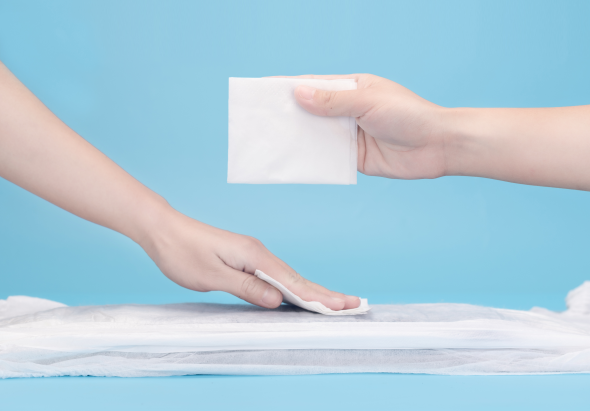
Understanding Your Needs: Absorbency Levels Explained
Not all protective garments are created equal. The first step in choosing the right product is understanding the level of protection you actually need.
Light Protection (1–4 Cups / Up to 8 fl oz)
Light absorbency garments are designed for:
- Occasional drips when coughing, sneezing, or laughing
- Postpartum recovery (light bladder weakness)
- Activities that put mild pressure on the pelvic floor
These products feel nearly identical to regular underwear — thin, discreet, and comfortable for all-day wear under regular clothing.
Moderate Protection (4–8 Cups / 8–16 fl oz)
Moderate absorbency addresses:
- Regular stress incontinence episodes
- Overflow incontinence with consistent small leaks
- Post-surgical recovery requiring reliable coverage
Heavy / Maximum Protection (8+ Cups / 16+ fl oz)
Heavy-absorbency styles are intended for:
- Significant bladder leakage requiring comprehensive coverage
- Nighttime use where uninterrupted sleep is essential
- Reduced mobility situations where frequent changes aren't possible
As continence specialists note, "Selecting an absorbency level that exceeds your actual needs is not wasteful — it's insurance. A product that's too light leads to anxiety, leaks, and changed plans."
Key Features to Look for in Women's Protective Underwear
1. Anatomical Fit for Women
Men's and women's bodies are fundamentally different. Women's protective garments should feature:
- Wider hip-to-waist coverage — accommodating natural female body curves
- Front-to-center absorbency placement — the pelvic floor anatomy concentrates pressure anteriorly in women
- Soft, breathable waistband — preventing skin irritation during extended wear
- Discreet silhouette — fitting smoothly under fitted clothing without visible lines
2. Skin-Friendly Materials
The skin in intimate areas is sensitive. Look for:
- Breathable outer fabric — reducing heat and moisture buildup
- Hypoallergenic inner lining — minimizing risk of contact dermatitis
- Odor-control technology — neutralized by activated carbon or silver-ion treatments
- Wetness indicator — particularly useful for caregivers and overnight use
3. Odor Control Technology
Modern absorbent garments use multiple approaches to odor management:
- Microencapsulated fragrance systems
- Antimicrobial fiber treatments
- Enhanced absorbent core design that traps odor at the source
4. Ease of Use: Pull-On vs. Fastening Styles
Two primary closure systems exist:
| Style | Best For | Pros | Cons |
|---|---|---|---|
| Pull-on (elastic waist) | Active women, self-changing | Easy on/off, underwear-like feel | Must be fully removed to change |
| Fastening tabs (brief style) | Caregiver-assisted changes, bedridden users | Adjustable fit, partial changes possible | Less underwear-like appearance |
What Customers Ask Most: FAQ
Can incontinence underwear be worn all day?
Yes, modern incontinence underwear is designed for extended wear. Most products recommend changing every 4–8 hours depending on absorbency level and individual needs. For all-day use, choose a breathable, moderate-to-heavy absorbency product and establish a regular changing schedule.
Will protective underwear show through my clothes?
Premium modern protective garments are specifically engineered for discretion. Thin-profile pull-on styles closely resemble regular underwear and are virtually undetectable under most clothing, including slim-fit garments.
Are reusable or disposable incontinence underwear better?
Both options have merit. Disposable products offer superior absorbency, hygiene convenience, and travel-friendliness. Reusable washable options are more environmentally sustainable and cost-effective over time. Many women choose a combination.
How do I choose the right size?
Always refer to the manufacturer's sizing chart and measure your hip circumference at the widest point. A snug but comfortable fit is essential — too loose creates gaps that cause leaks, while too tight causes discomfort and skin issues.
What's the difference between incontinence underwear and menstrual underwear?
While both look similar, incontinence underwear is engineered to absorb and lock away urine rapidly, which has different fluid properties than menstrual blood. Continence garments feature faster-absorbing cores and greater liquid-lock capacity.
Leading Manufacturers in the Industry
The global market for absorbent hygiene products continues to expand. According to Deep Market Insights, the worldwide incontinence care market is projected to grow significantly through 2030, driven by aging populations and increased health awareness.
Quality matters enormously in this category. Reputable manufacturers like New Yifa Group produce incontinence underwear that meets international standards — including CE certification, ISO quality management systems, and FDA compliance for export markets. These manufacturers offer both disposable and reusable options across all absorbency levels.
For businesses sourcing private-label products, working with established OEMs with demonstrated export experience ensures consistent quality, reliable supply chains, and products that perform in real-world conditions.
Final Recommendations
Choosing the right incontinence underwear is a personal decision based on your specific situation:
- Active lifestyle, light leakage → Light-to-moderate pull-on absorbent panties
- Moderate, regular leakage → Moderate absorbency pull-on or fastening brief style
- Heavy leakage or overnight use → Maximum absorbency product with proven leak protection
- Caregiver situation → Fastening tab-style brief for easier assisted changes